AI Crop and Disease Detection: What Cameras and Sensors Can Really Do on a Farm
AI can flag a yellowing leaf or a struggling row. It cannot tell you what to spray. Here is what the technology does well, and what it needs.
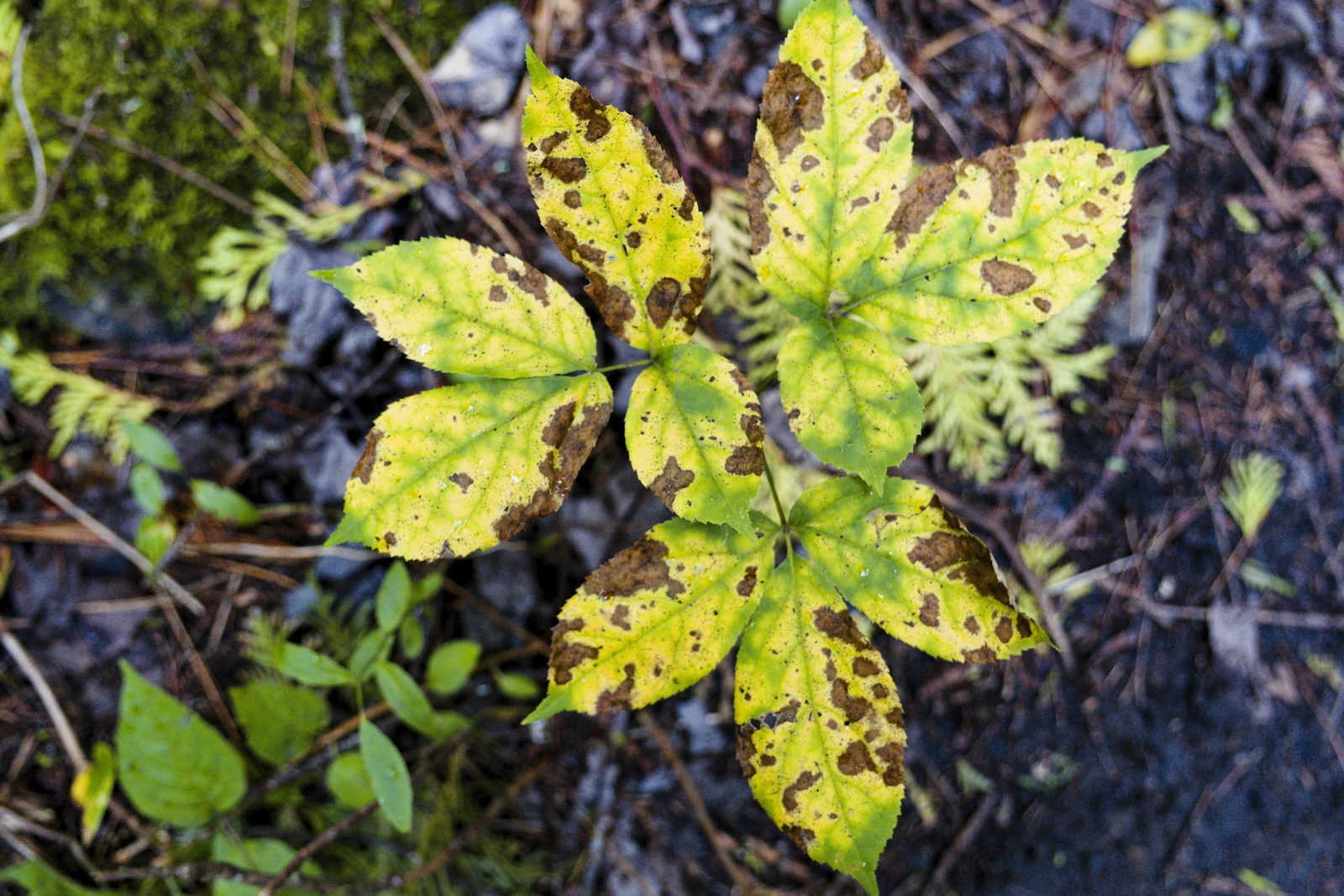
AI crop and disease detection uses cameras and image models to flag plants that look different from healthy ones, such as discoloured leaves, wilting or pest damage. It works best as an early-warning system that points people at the right rows. It needs consistent images, training on your own crop, the right network and storage, and an agronomist to confirm the cause.
Key takeaways
- Image models spot visual changes; they do not diagnose causes the way an agronomist does.
- Models trained elsewhere often struggle on a new crop, variety or greenhouse, so expect to train or tune on your own images.
- Consistent camera position and lighting matter as much as the model itself.
- Decide early between processing on site (edge) and in the cloud, because it drives bandwidth and storage.
- Combining images with sensor readings gives more useful alerts than either alone, but people still make the decisions.
What can AI crop and disease detection actually do?
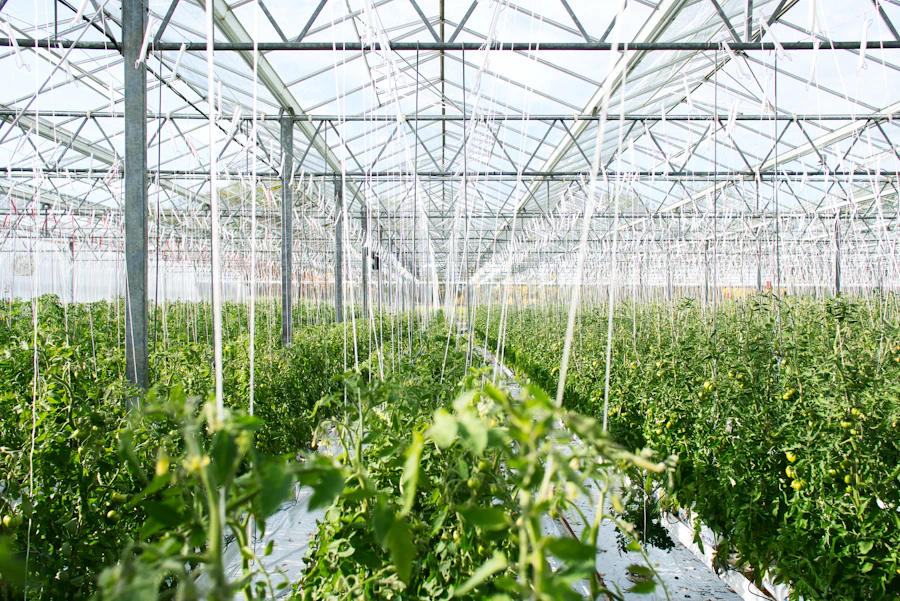
It can look at images of plants and flag the ones that look different from the healthy examples it was trained on. That covers changes such as leaf discolouration, spots, wilting, uneven growth, visible pests and gaps in a row. On a large greenhouse or open field, that turns hours of walking into a short list of places worth checking.
Used this way, AI is an early-warning and triage tool. A camera on a rail or a fixed mount sees the same plants every day and notices a change before a busy team might. A drone or a handheld phone app can cover more ground less often. In each case, the useful output is a marked image and a location, so a person can go and look.
Research bodies in the UAE, such as the International Center for Biosaline Agriculture in Dubai, work on farming in hot, water-scarce and salt-affected conditions. Those same conditions, heat stress and salinity in particular, can produce visual symptoms that look like disease to a camera, which is one more reason to treat AI output as a prompt rather than a verdict.
What can it not do?
It cannot reliably tell you why a plant looks wrong, and it should not decide treatment. Many different causes produce similar symptoms: a nutrient shortage, water stress, salinity, a fungal infection and pest damage can all show as yellow or curling leaves. Telling them apart usually needs a closer look, the plant's history, and often a lab test.
Image models also struggle with things they were not trained on. A model built from photos of one tomato variety in European glasshouses may perform poorly on a different variety under a UAE shade house, with harsher light and dust on the leaves. Vendors may quote accuracy figures from their own test sets; ask what crop, conditions and camera those figures came from, because they may tell you little about your farm.
Finally, a camera only sees what is in front of it. Disease that starts on the underside of leaves, in the roots or inside fruit may not be visible until late. AI does not replace scouting; it helps you scout in the right places.
Why does training on your own crop matter?
Training on your own crop matters because a model learns what normal looks like from the images it is shown, and your normal is specific to your varieties, growing system, light and camera. Images from your own farm, labelled by someone who knows the crop, are what make a model useful rather than noisy.
In practice, that means collecting images over a full growing cycle, including healthy plants at each stage and examples of the problems you care about, labelled by your grower or agronomist. It is slow at first, and the model improves as more confirmed examples are added. Budget time for this, not just hardware.
The NIST AI Risk Management Framework is a voluntary framework for building trustworthiness into how AI systems are designed, used and evaluated. Its thinking applies well here: know what the model was tested on, watch how it performs in your conditions, and keep a person accountable for decisions it informs.
What IT does a crop-camera system need?
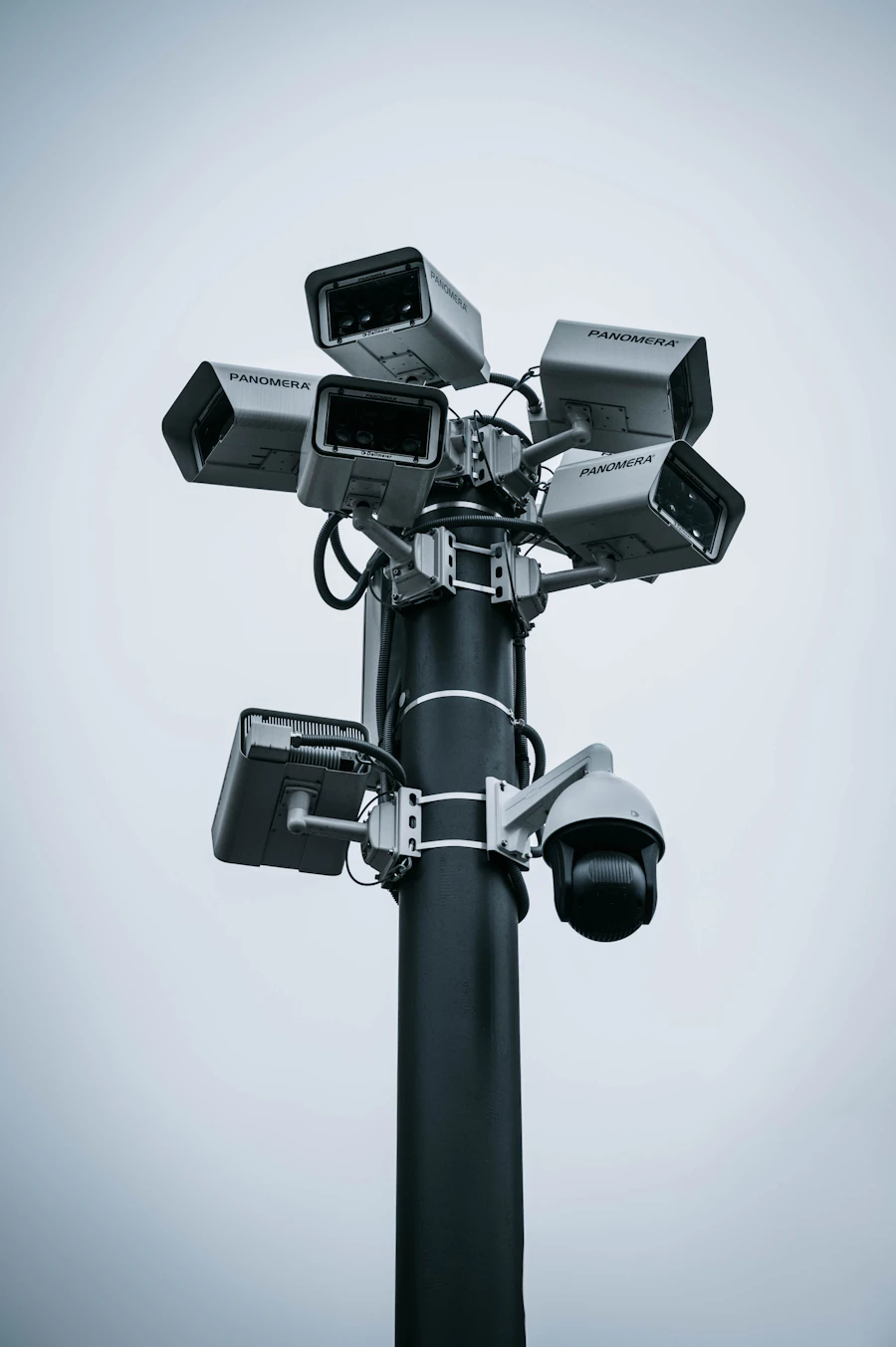
It needs cameras fixed in consistent positions, lighting that does not change wildly between images, a network that can carry the images, somewhere to process them, and storage to keep them. The camera is often the cheapest part; the rest is where projects succeed or fail.
- Cameras: fixed mounts or rail systems so the same plants are seen from the same angle; housings rated for heat, dust and humidity.
- Lighting: images taken at the same time of day, or under supplementary lighting, so changes in sunlight are not mistaken for changes in the plant.
- Network: wired or strong Wi-Fi back to the processing point; high-resolution images are large, and many cameras add up quickly.
- Processing: an edge device on site, a server in the farm office, or a cloud service.
- Storage: enough to keep images for comparison across a season, with a backup of the labelled training set.
- Power: reliable supply to cameras and edge devices, with protection against outages and heat.
Most of this is ordinary IT built for a hard environment, and it overlaps with the network described for greenhouse climate monitoring.
Should images be processed on the farm or in the cloud?
Process on the farm when the internet link is weak or expensive, and in the cloud when bandwidth is good and you want the vendor to run the models. Many remote UAE farms rely on Starlink or 4G, and sending every full-resolution image off site can use a great deal of data.
Edge processing runs the model on a small computer near the cameras and sends only the results, a flagged image and a location, to the dashboard. It keeps working when the link drops, but the hardware has to survive heat and dust, and someone has to update its software. Cloud processing is simpler on site but depends on the link and on the vendor. A common middle path is to process at the edge and send a sample of images to the cloud for retraining.
How do sensors make camera alerts more useful?
Sensors give the context that a picture cannot. A camera may flag wilting; temperature, humidity, soil moisture and irrigation readings from the same zone show whether it followed a hot afternoon, a blocked dripper or a humid night that favours fungal problems. Put together, the alert becomes far more specific.
For this to work, sensor and camera data need to share the same zone names and timestamps, and land in the same dashboard. That is an integration job rather than an AI one, and it is often where the real value is. The sensor side is covered on our smart farm IoT page.
Who makes the decisions?
The grower and their agronomist make the decisions. The system's job is to show them where to look and what the readings were; deciding what is wrong and what to do about it stays with people who know the crop. Set alerts up so they reach the right person, with the image and sensor readings attached, and record what was found so the model can learn from it.
Be cautious of any system that links detection directly to automatic spraying or dosing without a person approving it, at least until it has been proven on your farm over several seasons.
How Listonics helps
We build the IT side: camera network and power, edge or cloud processing, storage and backup, sensor integration, dashboards and alerts, secure remote access and TDRA registration where it applies. We do not give agronomy advice or sell crop treatment systems; your grower or agronomist sets the targets and confirms what the cameras flag. Our IoT services page covers the build. Projects are quoted after a site visit, typically within AED 2,500 to AED 30,000 depending on scope. Tell us about your farm.
Frequently asked questions
Sometimes it can suggest a likely problem, but it should not be treated as a diagnosis. Many causes, including nutrient shortage, water stress, salinity, pests and fungal infections, produce similar visual symptoms. Use the AI flag to find affected plants quickly, then have your agronomist confirm the cause, with a lab test where needed, before deciding on treatment.
It depends heavily on the crop, the conditions, the cameras and the training data, so there is no single honest figure. Accuracy quoted by a vendor usually comes from its own test images. Ask what those images were, and plan a trial on your own farm, comparing the system's flags with what your team finds on the ground.
Yes, for spot checks. A phone app lets a worker photograph a suspicious plant and get a suggestion. Fixed cameras are better for spotting change over time, because they see the same plants from the same angle every day. Many farms use both: fixed cameras for watching, phones for checking flagged plants up close.
They can, with the right housings, shade, ventilation and cleaning schedule. Dust on lenses and leaves affects images, and heat shortens the life of cameras and edge computers. Plan for regular lens cleaning, choose equipment rated for the temperatures on site, and monitor each camera so a failed or dirty one shows up quickly.
Not if images are processed on the farm. An edge device can run the model locally and send only the results, which needs little bandwidth and works over Starlink or 4G. Sending every full-resolution image to the cloud needs a much stronger link. Decide on edge or cloud processing early, because it shapes the whole design.
No. We build and support the cameras, sensors, network, processing, dashboards and alerts. The grower or their agronomist decides what the readings and images mean and what action to take. Our job is to make sure the data is reliable and the alerts reach the right people at the right time.
Written by Srinivasan Ramachandran, Founder, Listonics · Published Nov 06, 2026 · Last reviewed November 6, 2026 · 1602 words