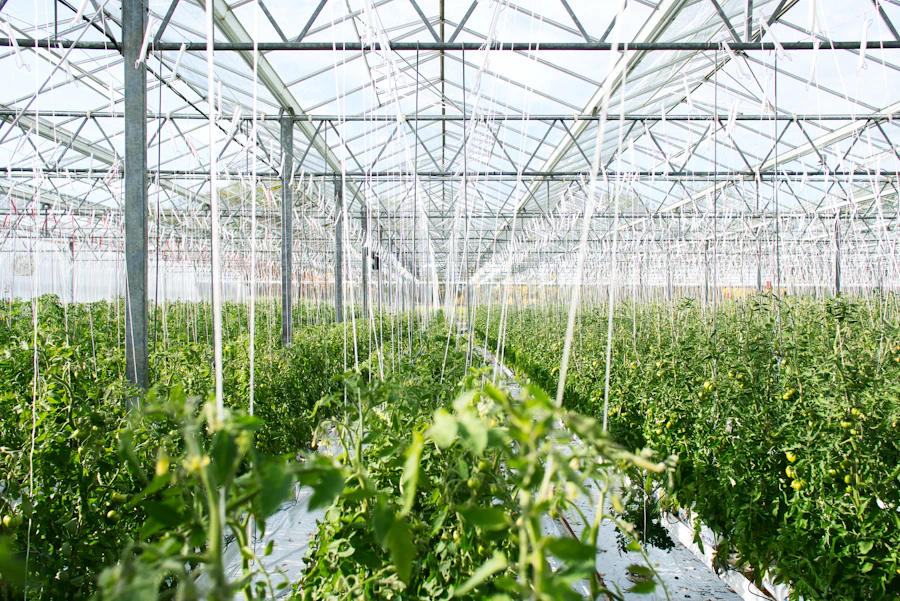
Hydroponic and vertical farm monitoring: pH, EC, water temperature and alerts
pH and EC probes drift, pumps stop and power drops. How to monitor a hydroponic farm so the right person hears about it in time.
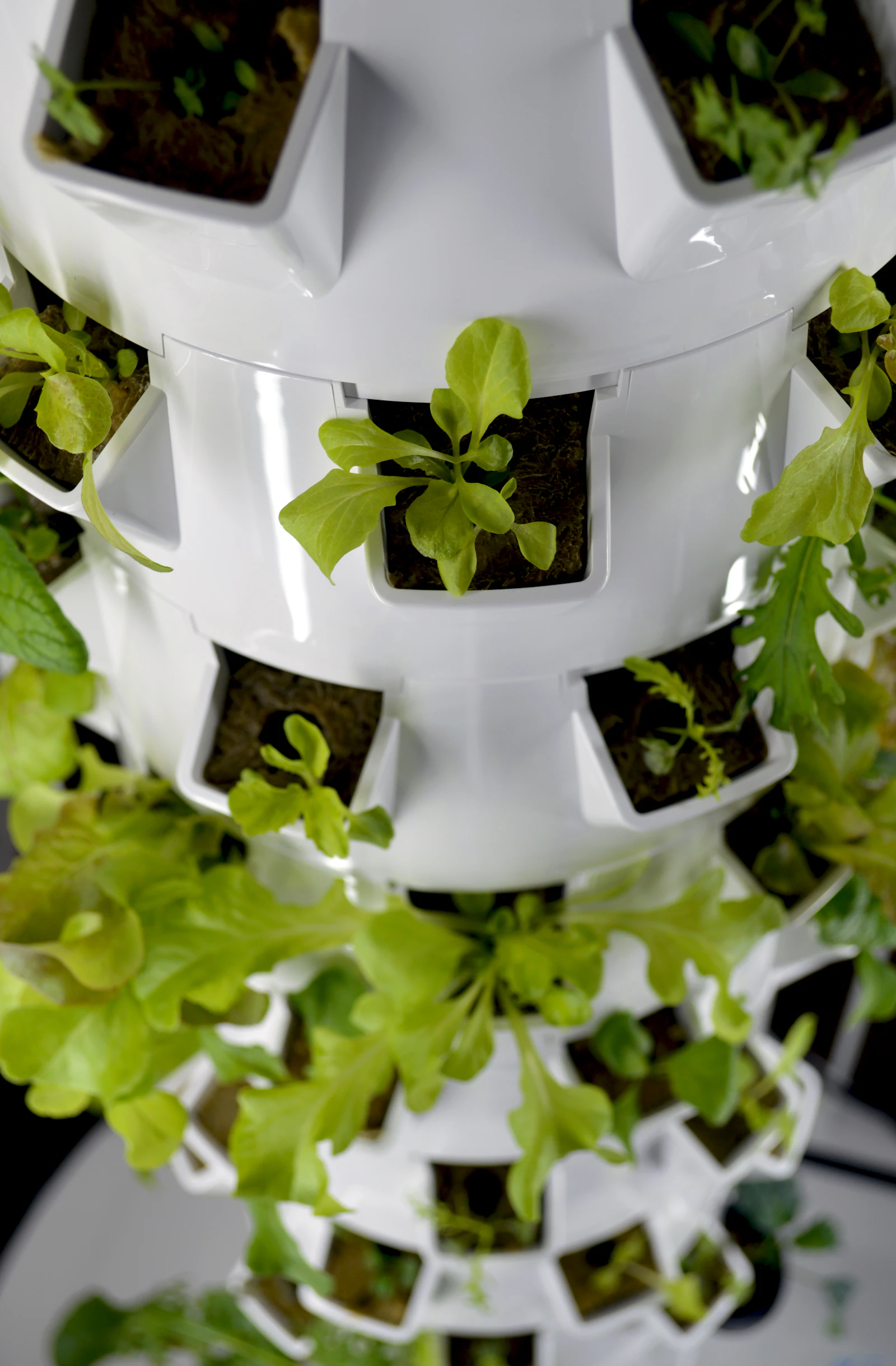
A hydroponic or vertical farm needs continuous readings of pH, EC, nutrient water temperature, dissolved oxygen and reservoir level, plus alerts for pump stoppages and power loss. pH and EC probes drift, so they need a regular calibration routine. Readings should flow into one dashboard, including data from existing dosing controllers, and alerts should escalate to phones until someone acknowledges them.
Key takeaways
- Monitor pH, EC, water temperature, dissolved oxygen and reservoir level for every nutrient system.
- pH and EC probes drift; calibrate on a fixed schedule with fresh solutions and log every check.
- Pump and power failures do the fastest damage in hydroponics, so they need their own alerts.
- Existing dosing controllers often already hold the data; reading it out avoids a second set of probes.
- The grower sets the targets; the monitoring makes the readings reliable and the alerts reach a phone.
What needs monitoring on a hydroponic or vertical farm?
The nutrient solution first, then the equipment that keeps it moving. In soil, roots have a buffer of water and nutrients around them; in hydroponics they depend on the solution and the pumps every minute of the day. That is why the monitoring list is short but has to be reliable.
The core readings are pH, which affects how available nutrients are to the plant; electrical conductivity (EC), which indicates how concentrated the nutrients are; the temperature of the nutrient water; dissolved oxygen, which roots need; and the level in each reservoir or tank. Alongside those sit equipment signals: whether each pump is running, whether flow is reaching the channels or towers, and whether mains power is on. In a vertical farm with indoor lighting and air handling, room temperature, humidity and CO2 belong on the list too, measured much as we describe for greenhouse climate monitoring.
The right ranges are for the grower or their agronomist to set, for each crop and growth stage. Listonics handles the IoT side: the sensors, network, dashboard and alerts that make those readings trustworthy.
Which pH and EC probes suit a commercial farm?
Industrial or laboratory-grade probes designed for continuous immersion, with a transmitter that sends a stable signal to the monitoring system. Cheap hobby probes are built for occasional dips and tend to drift quickly or fail when left in solution around the clock. For a commercial system it is worth paying for probes made to stay in the line.
pH probes are usually glass electrodes, which are accurate but fragile and age with use, so they are consumables with a working life rather than fit-and-forget parts. EC probes are generally tougher, but their surfaces foul with deposits and biofilm, which shifts readings. Mount both where solution flows past them steadily, such as in a bypass line or a sampling chamber, rather than in a dead corner of a tank where readings lag behind reality.
Fit probes so they can be removed for cleaning and calibration without draining the system. A pair of isolation valves either side of a probe holder makes the weekly routine a five-minute job instead of a shutdown.
How often should pH and EC probes be calibrated?
On a fixed schedule set by the probe maker and the grower, often weekly for pH in a busy commercial system, and whenever a reading disagrees with a handheld meter. EC probes usually hold calibration longer but still need checking. The point is to have a routine written down, not to calibrate only when something looks wrong.
- Clean the probe gently as the maker recommends, then rinse it in clean water.
- Calibrate pH with fresh buffer solutions, usually two points, and do not reuse buffer that has been opened for weeks.
- Calibrate EC with a fresh standard solution at a known temperature.
- Compare the in-line reading with a calibrated handheld meter in the same solution.
- Record the date, the before and after readings, and who did it.
- Replace a pH probe when it becomes slow to settle or will not calibrate properly.
That log is the most useful maintenance record on the farm. Over a few months it shows how fast each probe drifts, which tells you when to replace them before they cause a bad dosing decision.
Some dosing systems adjust nutrients and acid automatically from these probes. A drifting probe in that loop does not just report the wrong number; it can make the system dose the wrong amount. That is the strongest argument for a second, independent check.
Why do dissolved oxygen and water temperature matter in the UAE?
Because warm water holds less oxygen, and UAE heat warms nutrient water quickly. Tanks in a hot plant room, pipes running through a sunny yard, or chillers that trip out can raise water temperature within hours, and roots then sit in solution with less oxygen than they need. Monitoring both together shows the problem before it shows in the crop.
Dissolved oxygen sensors come in two main kinds: older electrochemical types, which need membranes and electrolyte replaced, and optical types, which usually need less routine maintenance. Either way, place them where solution returns to the tank or reaches the roots, not right beside an air stone where readings are flattering. Water temperature sensors are simpler and cheap to fit at several points, which is worth doing on larger systems.
How do you get alerts for pump and power failures?
By monitoring the pumps and the power directly, not only the water. A pump can be switched on and still not moving water, because of a blocked intake or a failed impeller, so the most dependable signal is flow or pressure in the line, backed up by a current sensor on the pump's supply. A level sensor in each reservoir catches leaks, overflows and tanks running dry.
Power needs its own alarm. When mains fails, pumps, chillers and lights stop together, and if the monitoring system shares that power it falls silent at the worst moment. Put the gateway, network switch and internet router on a battery backup so they keep reporting, and have the system send an alert the moment mains is lost. If the farm's internet is unreliable, a cellular or satellite backup link on the same battery keeps alerts flowing.
Also alert on silence. If a sensor or gateway stops reporting for longer than a set period, that should raise an alarm in its own right, because it often means something else has failed.
Can you read data from existing dosing controllers?
Often, yes. Many dosing and fertigation controllers already measure pH, EC and temperature and can share their readings through a network connection, a standard industrial protocol such as Modbus, or an export from the maker's software. Where they do, we read that data into the same dashboard as everything else, so the farm has one view and one alert path instead of a separate screen for each machine.
What we do not do is change how the controller doses, or replace it. Its settings belong to the grower and the system supplier. Reading data out is a one-way connection that leaves the controller running as it is, and it should be set up so a fault in our system can never stop the controller working. It is also worth adding at least one independent probe, so a fault in the controller's own probe does not go unnoticed.
Old controllers without any network connection can sometimes be monitored through their alarm outputs, which a gateway can pick up and pass on as alerts.
How should hydroponic alerts escalate to phones?
In steps, to named people, until someone acknowledges. The first alert goes to the person on duty as a phone notification, SMS or WhatsApp message. If nobody acknowledges within a set time, it goes to a second person, then to the farm manager. Night and weekend rotas should be in the system, not in someone's head.
Separate warnings from emergencies. An EC reading drifting slowly is a message for the morning; a pump stopping or power failing at 2am needs to wake someone. Too many minor alerts teach people to ignore all of them, so the grower should agree which events are urgent before the system goes live.
This is the same thinking used in cold chain temperature monitoring, where a missed alarm overnight can cost a full room of stock. Our smart farm IoT page explains how the network, power and dashboard fit together across a farm site.
Does a commercial farm monitoring system need TDRA registration?
It can. In the UAE, a provider operating an IoT service for a business may need to register that service with the telecoms regulator. TDRA runs a registration service for IoT services, and we handle that step as part of a project where it applies, so the farm is not caught out after installation.
The wider context is that the UAE wants more of its food grown at home. The National Food Security Strategy 2051 aims to enable sustainable food production using modern technologies and to enhance local production. For a hydroponic or vertical farm, dependable monitoring is a practical piece of that.
Frequently asked questions
There is no single one; pH, EC, water temperature, dissolved oxygen and flow all matter, and a failure in any can harm the crop. In practice, pump and power failures cause damage fastest, so those alerts deserve the most attention. The grower or agronomist decides the target ranges; the monitoring system makes sure readings are accurate and alerts reach someone.
Most often because the probe is drifting, fouled or ageing. Glass pH electrodes lose accuracy over time and need regular cleaning and calibration with fresh buffer solutions. Check the in-line reading against a calibrated handheld meter. If the probe is slow to settle or will not calibrate properly, it is time to replace it.
No. Listonics does not sell or install hydroponic systems, dosing equipment or grow lighting, and does not give crop advice. We provide the IT and IoT layer: sensors, gateways, network coverage, battery backup for that equipment, dashboards, alerts and integration with the controllers already on site.
Often it can, through a network connection, an industrial protocol such as Modbus, or an export from the maker's software. We read that data one way into a shared dashboard without changing how the controller doses. Older controllers without a network port can sometimes be monitored through their alarm outputs instead.
If the gateway, switch and router share mains power with the pumps, the monitoring goes silent just when it is needed. We put that equipment on battery backup so it keeps reporting, raise an alert the moment mains is lost, and add a cellular or satellite backup link where the farm's internet is unreliable.
Send fewer, better alerts. Separate slow drifts, which can wait for the morning, from urgent events such as a pump stopping, which should wake someone. Agree the list with the grower before going live, route alerts to named people on a rota, and escalate only when the first person does not acknowledge.
Written by Srinivasan Ramachandran, Founder, Listonics · Published Nov 06, 2026 · Last reviewed November 6, 2026 · 1761 words