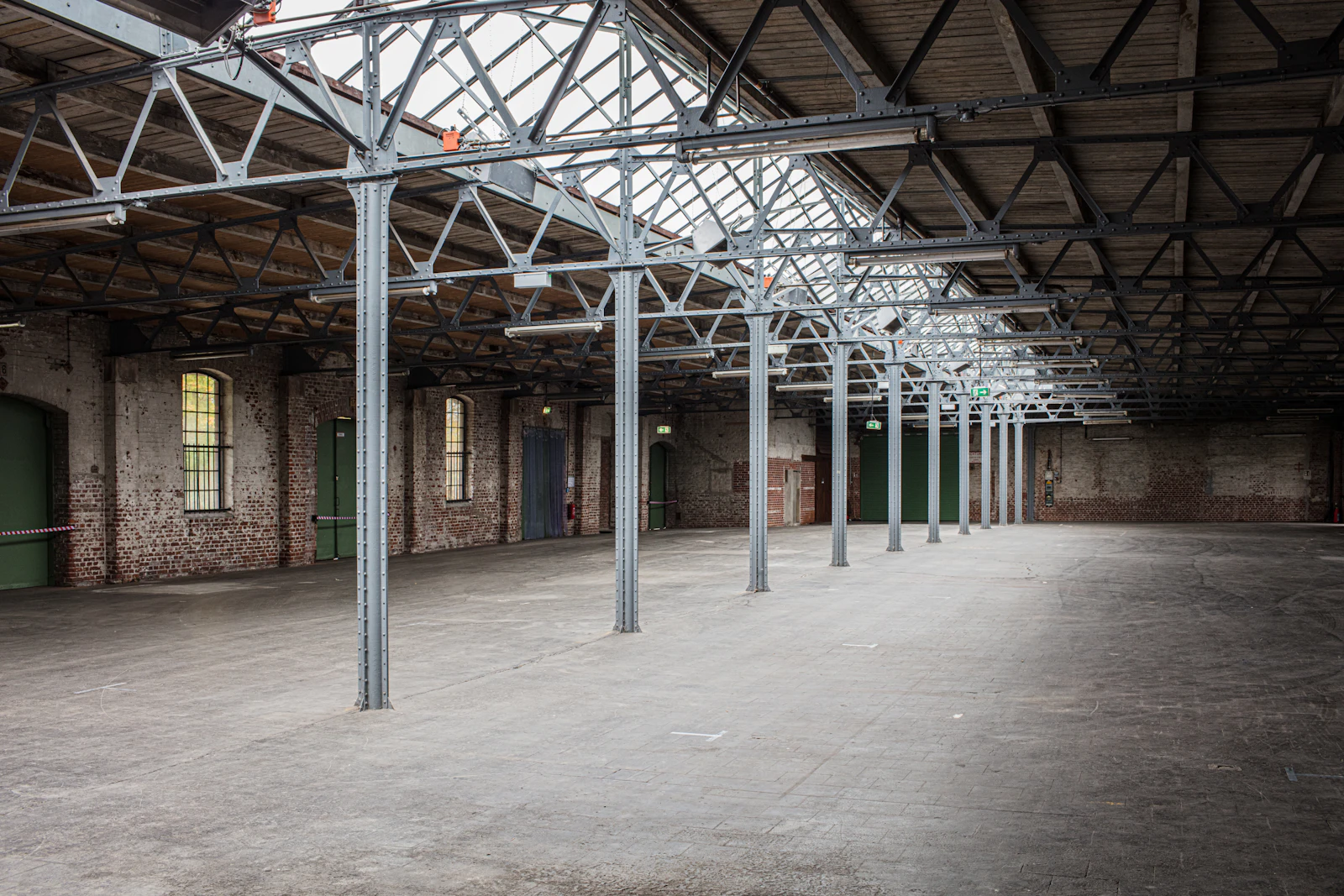
A Dubai manufacturer tracks orders, materials and production on separate spreadsheets, so the office cannot say what is in progress or whether materials will run out. We would connect order, stock and production records into one system, with live job status and material levels, so the floor, the stores and the office share one accurate, current picture.
Where the factory floor goes dark
A manufacturer in Dubai takes orders, holds materials and runs a production floor. Orders sit in one spreadsheet, stock in another, and production progress lives on the floor in people's heads and on paper.
The gaps show up at the worst times. A job stalls because a material ran out that nobody flagged. The office promises a delivery date it cannot keep, because it cannot see what is really in progress. Stock is counted by walking the stores. The factory runs on the skill of its people, but the information holding it together is scattered.
What we would look at first
We would map how an order becomes a finished product: how it is taken, how materials are drawn, how a job moves through the floor, and how completion is recorded. We would look at the spreadsheets and tools in use and find where the same information is kept in more than one place.
The honest question is whether a standard manufacturing or ERP tool fits, or whether a lighter custom system matches how the factory actually works. We would answer that before proposing a build, so the company does not pay for a heavy platform it will only half-use.
The solution we would build
The aim is one accurate picture shared by the floor, the stores and the office. We would connect order, material and production records so that starting a job draws its materials, progress is updated as the job moves, and stock levels reflect what has actually been used. A material running low would be flagged before it stops a job, not after.
The office would see what is in progress and give delivery dates it can keep. Where machine or sensor data is useful, it can feed in, which connects to our IoT work. The records and data would stay the company's, held in the storage and backup on our NAS storage and backup service. For a heavier build, our custom ERP software page covers the wider picture.
| Area | What it does |
|---|---|
| Connected order and job records | One linked view of orders and production |
| Live job status | Progress on the floor visible to the office |
| Material tracking | Stock reflects what has actually been used |
| Low-material alerts | A shortage flagged before it stops a job |
| One shared picture | Floor, stores and office work from the same data |
How we would measure success
We would agree what to measure before starting, and compare before and after.
- Jobs stalled because a material ran out unnoticed.
- Delivery dates promised and then missed.
- Time spent counting stock by hand.
- How quickly the office can see a job's real status.
Who would build it, and how to start
The work would sit across our custom software and CRM, IoT and NAS storage and backup services, with the same team that handles your network, accounts and security, so production data lives inside one supported and protected setup.
If this is close to your factory, the real version starts with a look at how an order becomes a finished product today. Tell us how your production is tracked now, and an engineer will map it and say honestly whether a standard ERP, a lighter custom system, or a better-configured version of what you have is the right fit. The e-invoicing IT groundwork is covered on our e-invoicing IT readiness page.
Frequently asked questions
Not always. A full ERP suits some manufacturers, but for many a lighter system that connects orders, materials and production, or a better-configured version of what you already use, does the job at lower cost. We check how your factory actually works first and tell you honestly which fits, rather than defaulting to the biggest platform.
Material levels are tied to production, so starting a job draws its materials and stock reflects what has really been used. When a material runs low, the system flags it before it stops a job, so the shortage is handled in advance instead of discovered on the floor when work halts.
Yes. Job progress is updated as work moves through the floor, so the office sees what is actually in progress rather than guessing. That means delivery dates can be based on real status, so the company promises dates it can keep.
Where it adds real value, yes. Machine or sensor data can feed into the system through our IoT work, so status and output update without manual entry. We would only bring in machine data where it earns its place, not for its own sake, and we would say when a simpler manual update is enough.
Yes. The system is set up for you and the records it holds, your orders, materials and production history, stay yours and exportable. The data lives in storage that is backed up and protected, so you keep access and control even if you later change tools.
Written by Srinivasan Ramachandran, Founder, Listonics · Last reviewed October 28, 2026