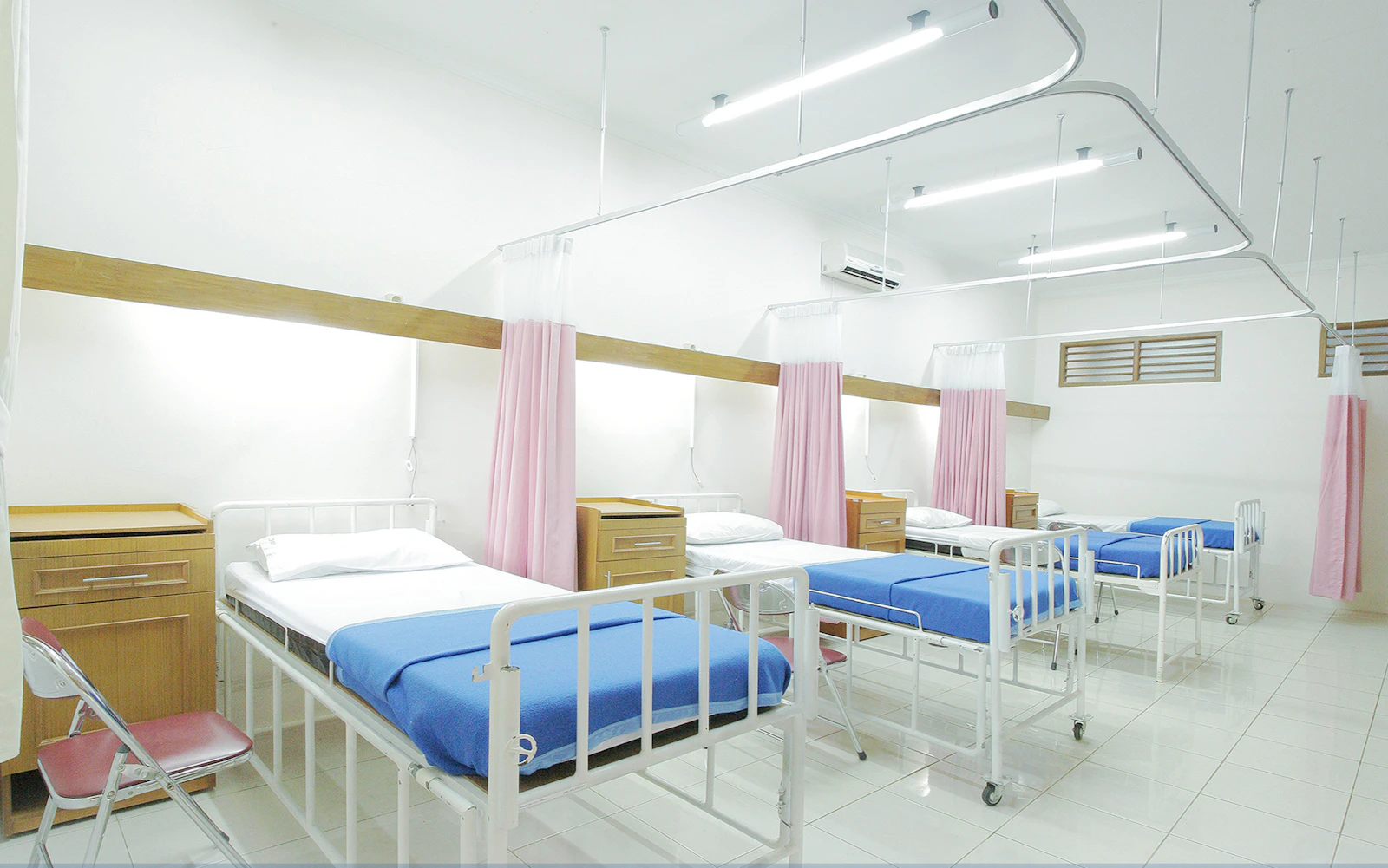
A Dubai hospital runs many systems, for admissions, departments, labs and billing, that do not share data, so staff re-enter the same details and no one sees the full picture. We would map the data flows and build the right connections, so systems share what they should, inside strict access controls and the UAE healthcare rules, with patient data protected throughout.
Good systems that never joined up
A hospital in Dubai runs admissions on one system, departments on another, the lab on a third and billing on a fourth. Each was bought to solve its own job, and none of them talk to each other.
The result is duplicated work and blind spots. The same patient details are typed in several times, which wastes time and risks errors. A department cannot see a result that lives in another system. Billing chases information held elsewhere. None of this is any one team's fault, it is a set of good systems that were never joined up.
What we would look at first
We would map how data should move between the systems: what admissions needs to pass to departments, what the lab sends back, what billing draws on. We would look at what each system can share and through what kind of connection, and where the same data is being re-entered.
This is careful work, because in a hospital the systems are clinical and the data is sensitive. We would not rush to build. We would agree exactly what should flow, to whom, and under what controls, before anything is connected.
The solution we would build
The aim is that systems share what they should, and no more. We would build the connections that let the right data move between systems through their supported interfaces, so a detail entered once reaches where it is needed instead of being retyped. Where a system cannot connect cleanly, we would say so rather than force it.
Access would be tightly role-based, so each person sees only what their role needs, and every exchange logged. All of this would sit inside the UAE healthcare rules that govern patient data, and inside the hospital's own policies. The security approach is on our cybersecurity page, and storage and recovery on our NAS storage and backup service.
| Area | What it does |
|---|---|
| Data-flow map | A clear picture of what should move between systems |
| Supported integrations | Right data shared through each system's own interfaces |
| Strict role-based access | Each person sees only what their role needs |
| Exchange logging | Every data exchange recorded for audit |
| Protected storage and recovery | Patient data secured and recoverable |
An important note on patient data
Clinical systems, patient records and any integration between them must be checked against the UAE healthcare rules that apply before anything goes live. This worked example is about joining up systems and cutting duplicated work, not about replacing clinical systems or giving clinical or compliance advice, which stays with the hospital and its regulators. We would keep patient data handling firmly inside what the rules allow.
How we would measure success
We would agree what to measure before starting, and compare before and after.
- How often the same patient detail is re-entered.
- Time lost waiting for data held in another system.
- Errors from manual re-keying between systems.
- How cleanly access to patient data is controlled.
Who would do it, and how to start
The work would sit across our custom software and CRM, cybersecurity and NAS storage and backup services, with one team that also handles the hospital's network, accounts and recovery, so integration is part of one secured and supported setup.
If this is close to your hospital, the real version starts with a careful look at your systems and the data that should flow between them. Tell us how your systems connect today, and an engineer will map it with you and say honestly what can be joined up and what cannot. The wider setup is on our IT for healthcare clinics page, and a systems review on our IT audit services page.
Frequently asked questions
No. This is about joining up the systems you already run so they share the right data and staff stop re-entering it, not replacing clinical systems. We work with the systems you have, connect them through their supported interfaces, and leave the clinical records where they belong.
Access is strictly role-based, every data exchange is logged, and only the data that should move is connected. Clinical systems and any integration between them are checked against the UAE healthcare rules that apply before anything goes live, so patient data stays within what the regulator and your own policies allow.
We tell you. Some systems do not offer a clean interface, and forcing a connection would be risky. We would say which systems can be joined up and which cannot before the project starts, so you make decisions with a clear picture rather than discovering limits halfway through.
No. We handle the IT, joining up systems and protecting data, while clinical decisions and compliance stay with the hospital and its regulators. We configure access and data flow to fit the rules you work under, but we do not advise on the rules themselves.
We start with a careful map of your systems and the data that should flow between them, agreed with your teams, before anything is connected. In a hospital the right pace is deliberate, so we confirm what should move, to whom, and under what controls first, then build the supported connections.
Written by Srinivasan Ramachandran, Founder, Listonics · Last reviewed October 28, 2026