An AI WhatsApp assistant answers customers on your business number using only your own information: opening hours, services, booking slots and order status pulled from your CRM. When a question needs a person, it hands over with the conversation so far. Listonics builds it on the WhatsApp Business Platform, in your own Meta account, and logs every chat to the CRM.
Proof, not promises
Real reviews from Trustpilot and Google, word for word. Google rating 5.0 from 5 reviews, checked 2026-10-17.
Best team I’ve ever hired. All in one place.
As a construction company, we have a lot to manage, so finding one team that can handle our IT and digital requirements has been really helpful. Listonics has supported us with office networking, cybersecurity, website development and SEO. Their team knows what they’re doing and has been easy to work with. We no longer need to coordinate with different companies for every requirement, which saves us time and effort. Overall, it’s been a good experience, and we’re happy to have them supporting our business.
We needed a custom ERP and HR system…
We needed a custom ERP and HR system for our business, along with a new website, and Listonics helped us with all three. The team was approachable, listened to what we wanted and made the process easier than we expected. We could discuss changes directly with them, which made a big difference. It was also convenient having one team handle everything instead of dealing with multiple companies. Overall, we’re happy with how things turned out and glad we chose them.
Listonics projects run from AED 2,500 to AED 30,000 as a fixed scope; support is a fixed monthly fee with response times written into the agreement. The IT support cost guide and managed IT pricing guide set out how the numbers are built.
What does an AI WhatsApp assistant actually do?
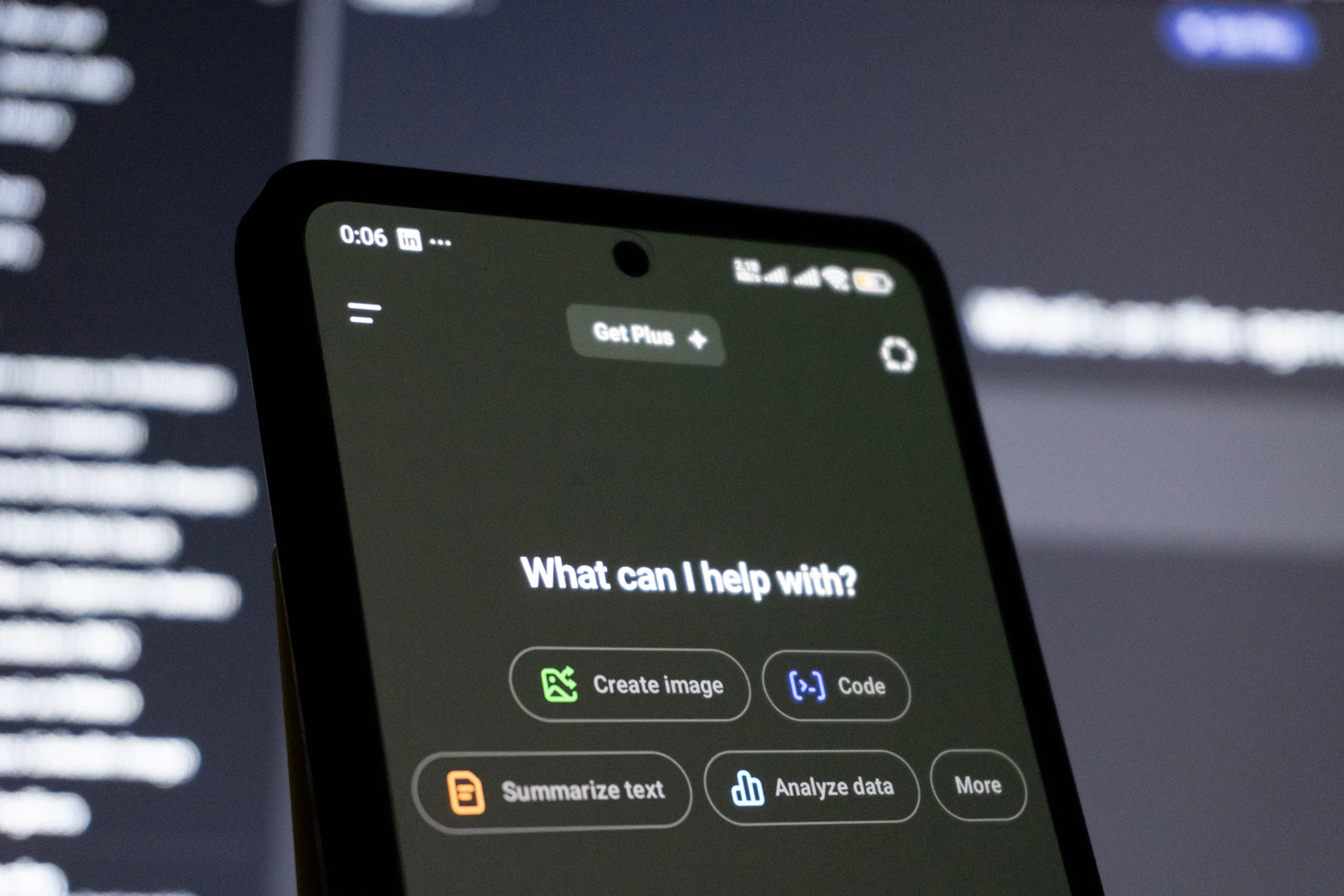
It handles the questions your team answers twenty times a day, at any hour, and passes everything else to a person. Customers message your normal business number. The assistant reads the question, looks for the answer in the information you have approved, and replies in plain English or Arabic. If the answer depends on the customer, such as when their order will arrive, it checks the CRM first.
It is a layer on top of a working WhatsApp integration, not a replacement for one. The number, the shared inbox and the link to customer records come from our WhatsApp Business API and CRM integration; the assistant is added once those are in place, so your staff can see and take over any conversation it is having.
- Opening hours, locations, directions and holiday timings.
- What you offer, what is included and what customers need to bring or prepare.
- Booking, rescheduling or cancelling appointments against real availability.
- Order, job or delivery status read from the CRM for that customer's number.
- Collecting the details for a new enquiry so your team can quote faster.
- Out-of-hours replies that say exactly when a person will pick it up.
Where do its answers come from?
From a knowledge base you approve and from your CRM, nothing else. We write the knowledge base with you: services, policies, opening times, service areas, frequent questions and the answers your best staff already give. The assistant is instructed to answer only from that material and from the records it is allowed to look up, and to say it will pass the question on when the answer is not there.
Customer-specific answers come from the CRM, and only for the number that is messaging. A customer asking about their booking sees their booking, not anyone else's. That matters for privacy and for WhatsApp's own rules, which say a business may not forward or share information from one customer's chat with another customer.
When does it hand over to a person?
Whenever the customer asks for one, and whenever the question is outside what it is allowed to answer. The WhatsApp Business Messaging Policy allows automation when replying inside the 24-hour customer service window, but requires prompt, clear and direct escalation paths, such as a transfer to a human agent in the chat, a phone number or an email address. We treat the in-chat handover as standard.
The handover is built into the CRM inbox. The conversation is assigned to the right person or team, with the full chat and the customer record in front of them, so the customer never has to repeat themselves. Outside working hours the assistant says when someone will reply and creates the follow-up task.
- Complaints, refunds and anything involving a dispute.
- Prices or terms that are not in the approved material.
- Any request the assistant has not understood after one clarifying question.
- A customer who types that they want a person, in any wording.
What the assistant should not do
It should not act as a general chatbot, and we build it so it does not. It stays on your own business: if a customer asks it to write an essay or discuss the news, it politely brings the conversation back or offers a person. That keeps answers accurate, keeps running costs predictable and keeps the number focused on what customers came for.
It also should not invent anything. A model that is not given an answer can produce a confident wrong one, which the OWASP Top 10 for large language model applications lists as misinformation, alongside prompt injection, where a user tries to talk the assistant out of its instructions. We test for both before launch.
- No new prices, discounts or delivery promises beyond what you have approved.
- No requests for card numbers, bank account numbers or ID numbers, which WhatsApp's policy tells businesses not to ask for.
- No medical, legal or financial advice.
- No marketing messages to people who have not opted in.
Opt-in, templates and the 24-hour window
The same WhatsApp rules apply to the assistant as to your staff. A business may only message people who have given their number and opted in, and may only start a conversation with an approved message template. Inside the 24-hour window after the customer's last message, replies can be free-form, and that is where the assistant does its work.
Reminders, booking confirmations and order updates that go out first are sent as approved templates, triggered by dates in your CRM. Our WhatsApp Business API guide for UAE businesses explains templates, message categories and how Meta charges per delivered message. Opt-in is stored on the customer record, and sending is blocked where there is none.
It runs in your own Meta account
The WhatsApp account, the number, the templates and the Meta billing all sit under your company's business portfolio, and we are added as a partner with access you can remove. The assistant's instructions and knowledge base are documented and handed over, and the conversation history lives in your CRM.
Personal data in those chats is covered by the UAE Personal Data Protection Law, which sets out obligations for businesses that process it and the rights of the people it belongs to. We make a published privacy notice, agreed retention periods and access controls part of the setup, not an afterthought.
Which CRM it connects to, and what it costs
Most established CRM products can be connected, and we check yours before quoting. If you do not have a CRM yet, our guide to CRM setup for small businesses in Dubai helps you choose, or we can build one through our custom CRM service, with subscriptions from AED 250 a month.
There are three running costs, kept separate in the quote: Meta's per-message charges, billed to your account; the AI model's usage, which depends on conversation volume; and your CRM licence. The build itself is a fixed-scope project, and Listonics projects run from AED 2,500 to AED 30,000 depending on requirement. To see how it would work for your enquiries, talk to us about an assistant.
Frequently asked questions
No. This assistant is built for your business, answers only from information you approve and your CRM, and runs through your own WhatsApp Business Platform account. Meta also offers AI features of its own for businesses, and we can talk through how they compare for your case, but what we build is designed around your records and your team's handover.
Yes. It can reply in the language the customer writes in, as long as the approved answers exist in both languages. We write and check the Arabic and English knowledge base with you, and message templates for reminders are submitted for approval in each language you use.
Every conversation is saved to the CRM, so your team can see what was said and correct it with the customer. We test the assistant against real questions before launch, restrict it to your approved material, and review flagged conversations in the first weeks so gaps in the knowledge base are filled quickly.
Yes. The assistant runs on the WhatsApp Business Platform, the API version, because it needs software access to the number and a shared inbox for handover. If you are on the free WhatsApp Business app today, we set up the platform and CRM connection first, then add the assistant on top.
Yes, at any time. The number, inbox and CRM connection keep working without it. Many businesses run the assistant only outside working hours, or only for certain questions such as booking and order status, and widen its scope once they are happy with its answers.
Written by Srinivasan Ramachandran, Founder, Listonics · Last reviewed November 6, 2026