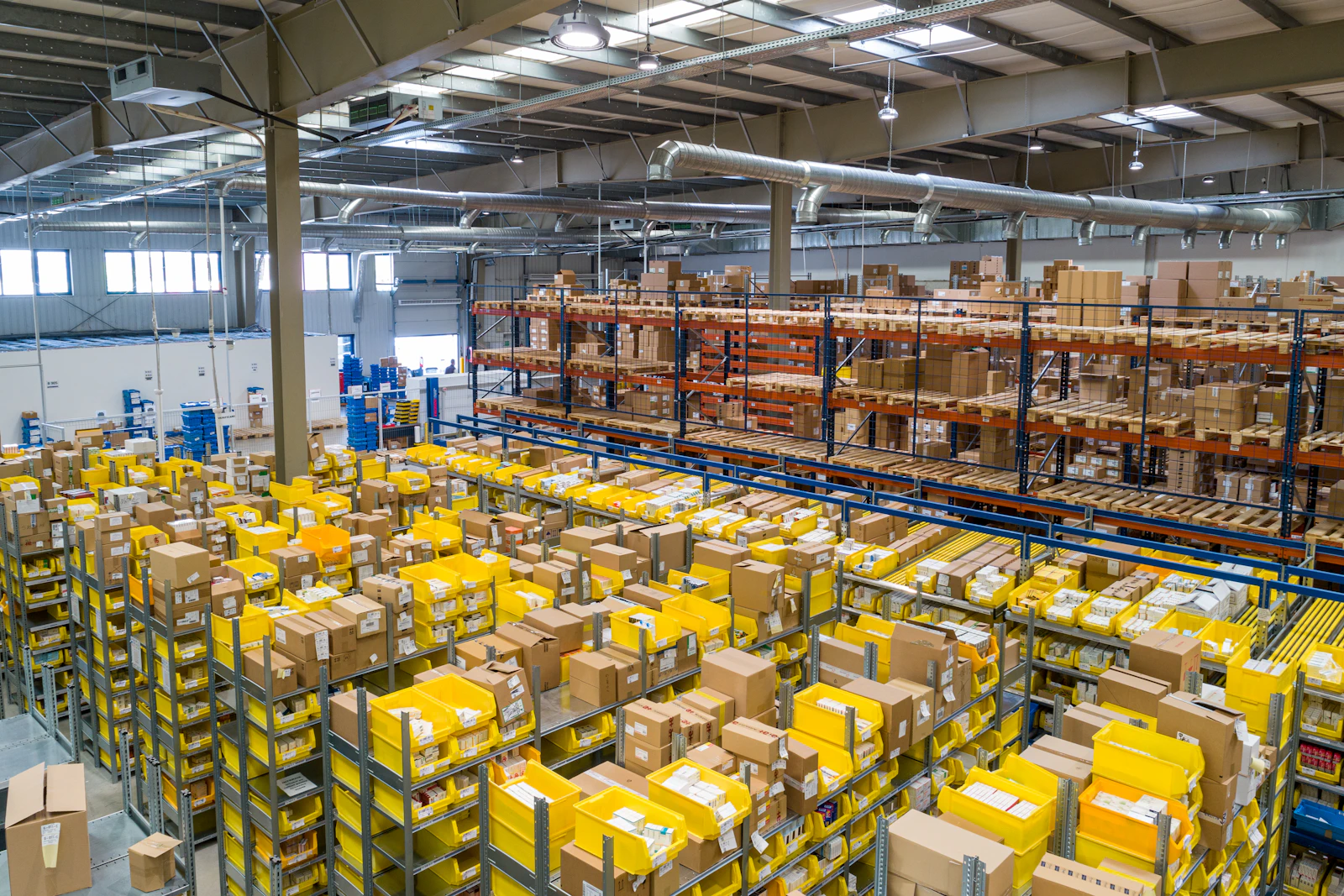
A Dubai logistics company assigns deliveries to drivers by phone and paper, so the office cannot say where a job stands without calling the driver. We would build one dispatch view of jobs, drivers and status, with updates from the road and proof of delivery, so the office sees progress live and customers get a clear answer.
When the office loses sight of a job
A logistics company in Dubai running daily deliveries assigns jobs to drivers by phone call and paper sheet. Once a driver leaves, the office cannot see where the job stands until the driver calls back or returns.
That gap causes real friction. A customer asks where their delivery is, and the only way to answer is to call the driver, who may be mid-drop. A job is double-assigned, or missed. Proof that a delivery happened is a signature on paper that has to be found later. The drivers are working hard, but the office is flying blind.
What we would look at first
We would map how a job flows from booking to delivery: how it is taken, how it is assigned, what the driver does, and how completion is recorded. We would look at the tools already in use and the devices drivers carry.
The honest question is whether an off-the-shelf dispatch tool fits, or whether the company's way of working needs something built around it. We would check which before proposing a build, because a standard tool that mostly fits is usually the cheaper, faster answer.
The solution we would build
The aim is one live view the office trusts. We would set up a dispatch system where every job, driver and status sits in one place. A job would be assigned to a driver digitally, the driver would update it from a phone as it moves, and completion would be captured with proof of delivery, so the record is made at the door, not reconstructed later.
The office would see progress without calling anyone, and a customer question would have a straight answer. Where useful, vehicle or sensor data can feed in, which connects to our IoT work. The platform and data would stay the company's, built inside the support setup on our IT for logistics companies page.
| Area | What it does |
|---|---|
| Central dispatch board | Every job, driver and status in one view |
| Digital job assignment | Jobs sent to drivers without phone and paper |
| Updates from the road | Drivers update status from a phone as they go |
| Proof of delivery | Completion captured at the door, not later |
| Live office view | Progress visible without calling the driver |
How we would measure success
We would agree what to measure before starting, and compare before and after.
- Calls the office makes to drivers just to find a job's status.
- Jobs missed or assigned twice.
- Time to answer a customer's where-is-my-delivery question.
- Deliveries with clean proof versus disputed ones.
Who would build it, and how to start
The work would sit across our custom software and CRM and IoT services, with the same team that handles your managed IT support, accounts and security, so dispatch runs inside one supported setup rather than a separate app nobody owns.
If this is close to your company, the real version starts with a look at how jobs reach drivers today. Tell us how your dispatch works now, and an engineer will map it and say honestly whether an off-the-shelf tool fits or a custom one is worth building. For freight-forwarding work specifically, see our IT for freight forwarding companies page.
Frequently asked questions
Usually not. A dispatch system like this runs on an ordinary smartphone, so a driver can take a job, update its status and capture proof of delivery from the phone they already carry. Where vehicle tracking or sensors add real value, we can bring that in, but we would not add hardware you do not need.
Yes, that is the point. The dispatch board shows every job, driver and status live, so the office sees progress as drivers update it from the road. A customer asking where their delivery is gets a straight answer from the screen, instead of someone calling the driver mid-drop.
Completion is captured at the door, on the driver's phone, with the proof your business needs, such as a signature or photo. The record is made at the moment of delivery and stored against the job, so a later dispute is settled from the system rather than from a paper sheet someone has to find.
It depends on how closely your work matches what standard dispatch tools do. Often a standard tool that mostly fits is the cheaper, faster answer, and we will say so. A custom build makes sense when your routing, job types or customer needs are specific enough that a standard tool would force you to work around it.
Yes. The platform is set up for you and the data it holds, your jobs, drivers and delivery history, stays yours and exportable. That matters if you ever change tools, so you are never locked in to one provider to keep access to your own operational records.
Written by Srinivasan Ramachandran, Founder, Listonics · Last reviewed October 28, 2026